

The challenge
After more than four years of development and approximately $1 billion in R&D investment, a major product nearing commercialization was removed from the innovation pipeline.
The impact went far beyond the loss of a single product. Years of investment, resources and organizational effort had been committed before critical assumptions surrounding the opportunity had been sufficiently validated.
The experience exposed a larger business challenge: how could the organization identify risk earlier, learn faster and make better-informed investment decisions throughout the product-development process?
The opportunity was not simply to introduce new innovation tools. It was to transform how multidisciplinary teams approached innovation, moving from a predominantly development-driven process toward a more human-centered, evidence-based and iterative approach to creating business value.
The approach
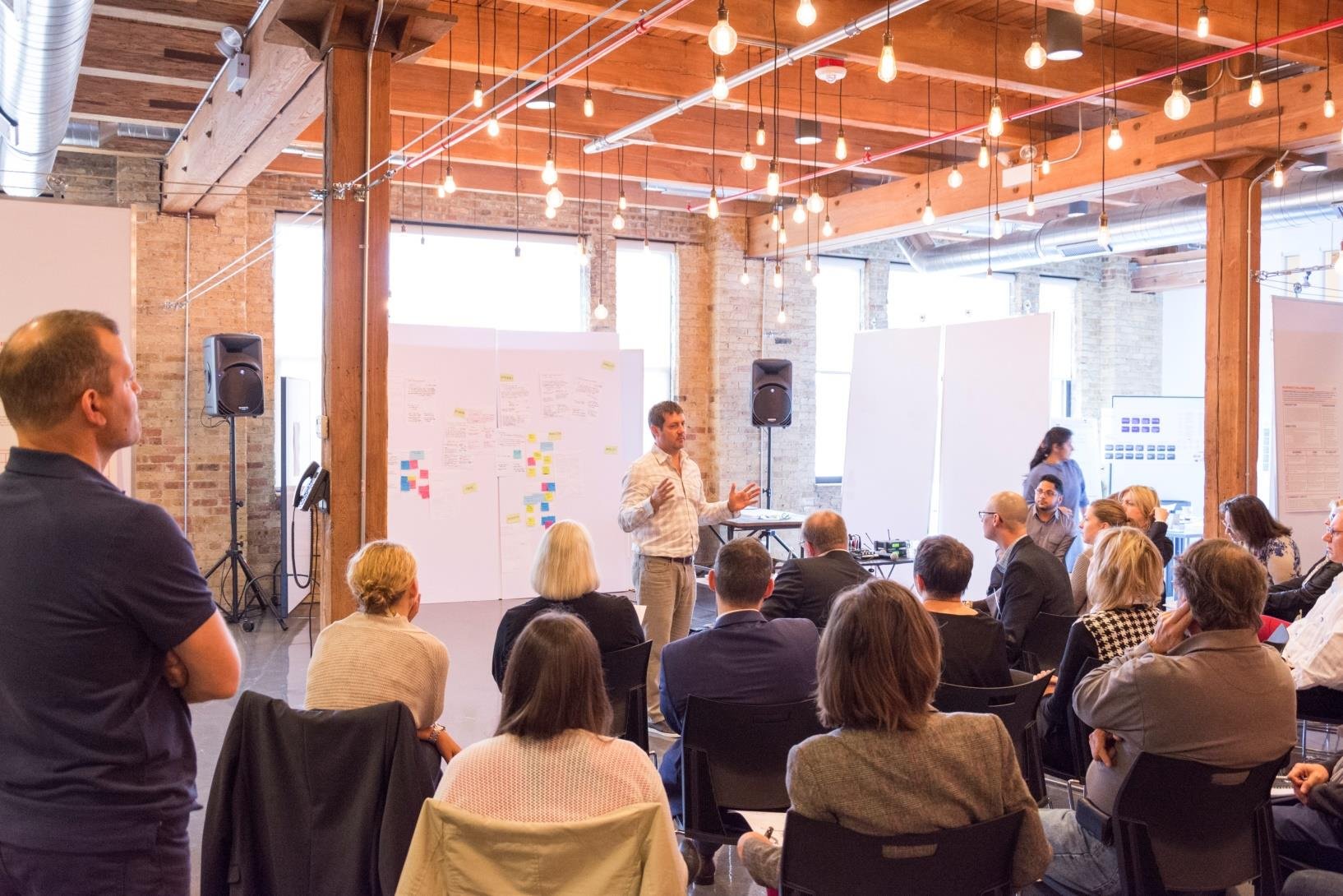
peergroup designed and facilitated a bespoke Innovation Accelerator that brought the broader healthcare ecosystem directly into the innovation process.
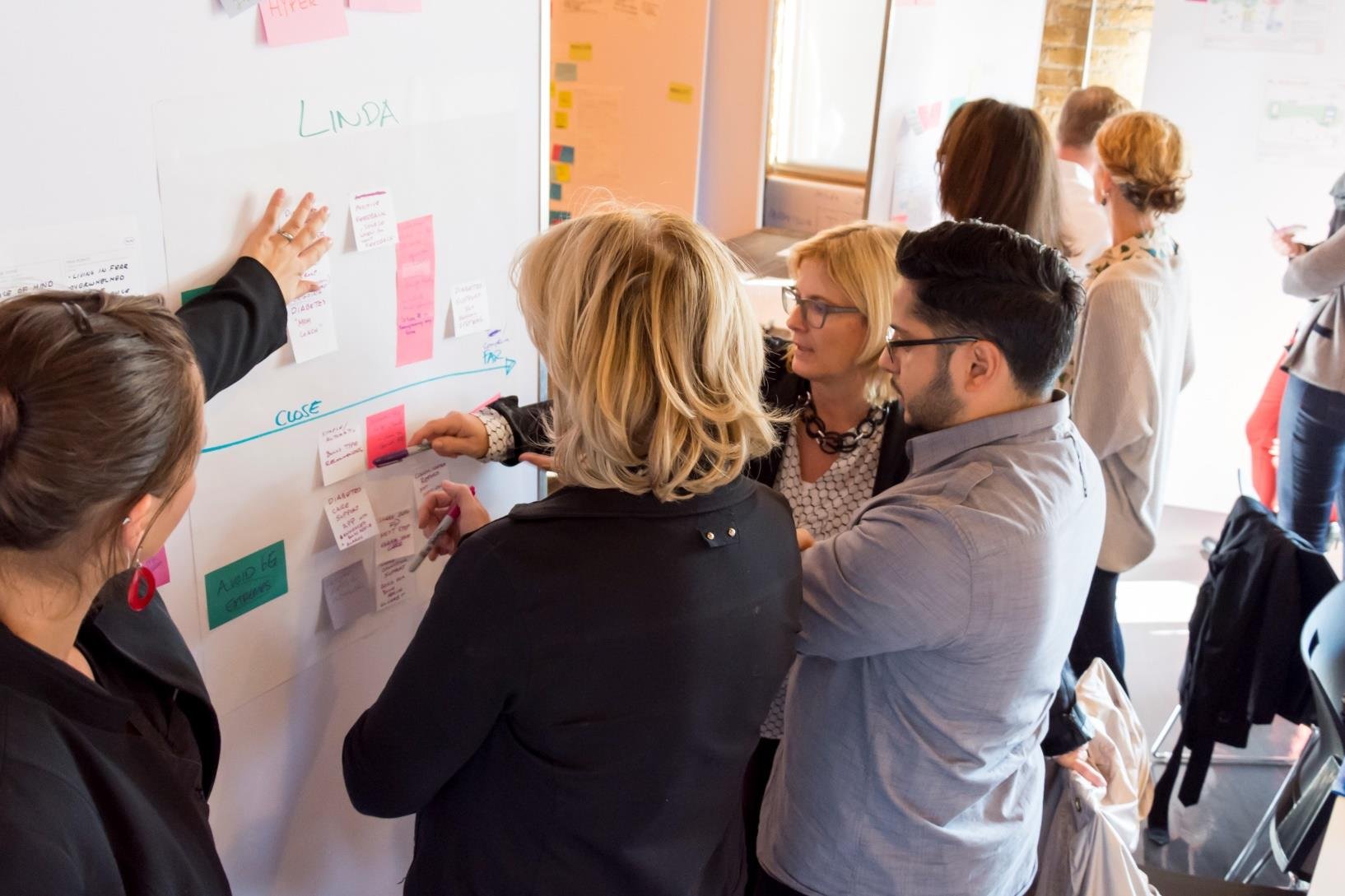
Across two intensive one-week programs, more than 80 participants and stakeholders representing R&D, science and technology, marketing and business leadership worked alongside physicians, nurses, insurers, caregivers, users and patients. Rather than learning innovation methodologies in isolation, teams applied them directly to real business and product-development challenges.
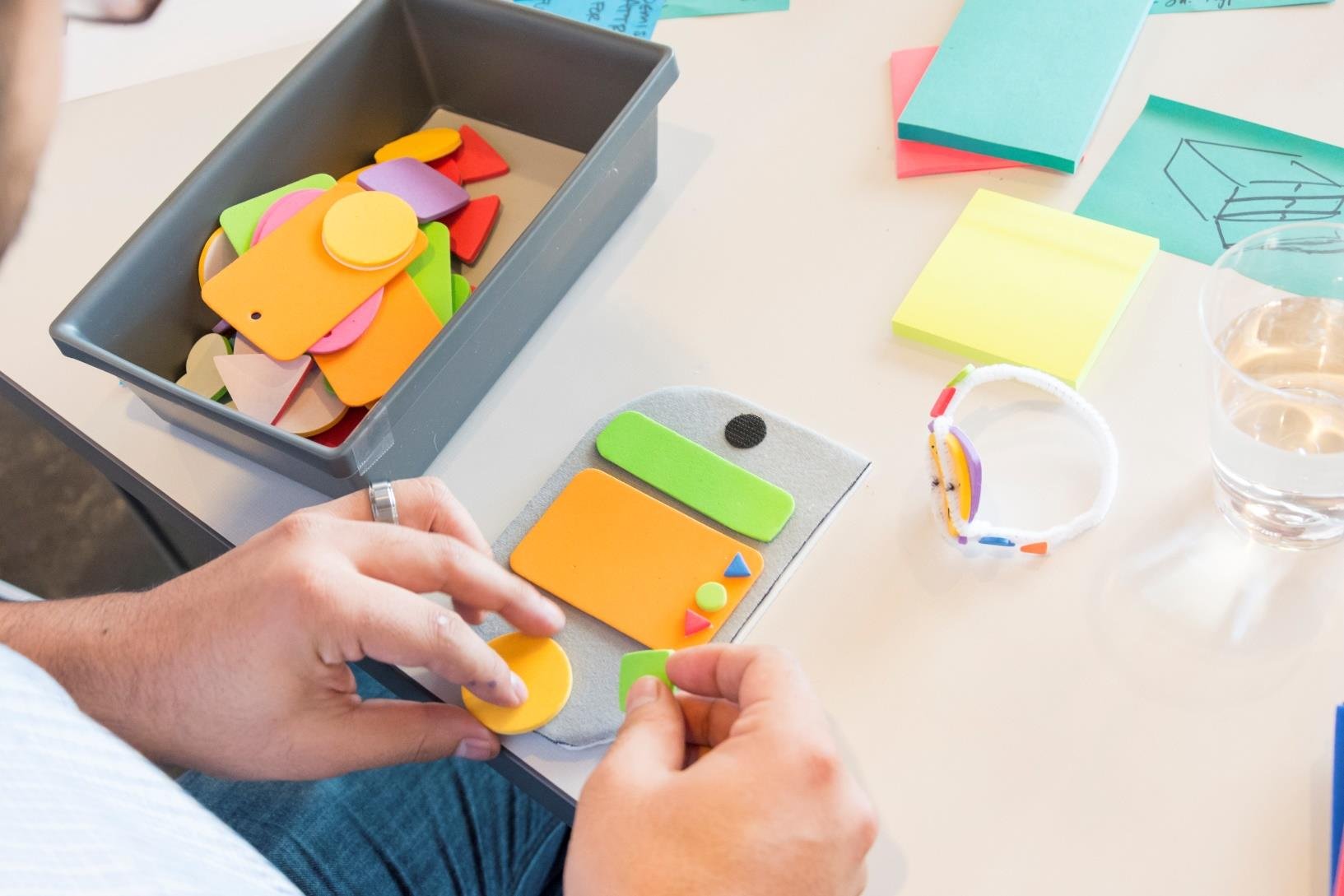
The program integrated principles and practices from design thinking, lean startup and agile development into one applied innovation framework. Teams learned to uncover unmet stakeholder and user needs; frame the right problem before investing in solutions; rapidly translate assumptions into testable hypotheses; prototype ideas early and at lower cost; engage customers and ecosystem stakeholders throughout development; create rapid learning and validation loops; and use evidence to inform product, investment and development decisions.
Rapid prototyping became more than a design technique. It became a mechanism for reducing uncertainty before significant resources were committed. By bringing technical, commercial and human perspectives together, the organization began shifting innovation from a largely sequential development process toward a collaborative system of learning, validation and informed decision-making.
The outcomes
Participant assessments demonstrated an average improvement of more than 50% in knowledge and capability across critical innovation competencies, including problem-solving, human-centered development, rapid prototyping and iterative validation.
But the greater value extended beyond individual learning. Teams left equipped with a common innovation language, practical methods and repeatable tools they could immediately apply to product-development initiatives across the organization.
The result was a stronger organizational capability to identify potential risks earlier, incorporate stakeholder evidence into development decisions and make more informed choices about where, and where not, to invest.
The value created
PEOPLE: Built multidisciplinary innovation capabilities and created a shared approach to human-centered problem solving across technical, commercial and leadership teams.
PLANET & SOCIETY: Strengthened consideration of patients, caregivers, healthcare professionals and the wider healthcare ecosystem within product-development decisions.
PROFIT & PERFORMANCE: Introduced earlier validation and evidence-based decision-making to help reduce innovation risk, avoid unnecessary downstream investment and improve the potential return on R&D resources.
The mindset shifted
Design for Business is not simply about designing better products. It is about helping organizations ask better questions, validate earlier, reduce uncertainty and make better decisions about where to invest.