
Tailor made: how private-label learning helps design leaders transform their teams from the inside.
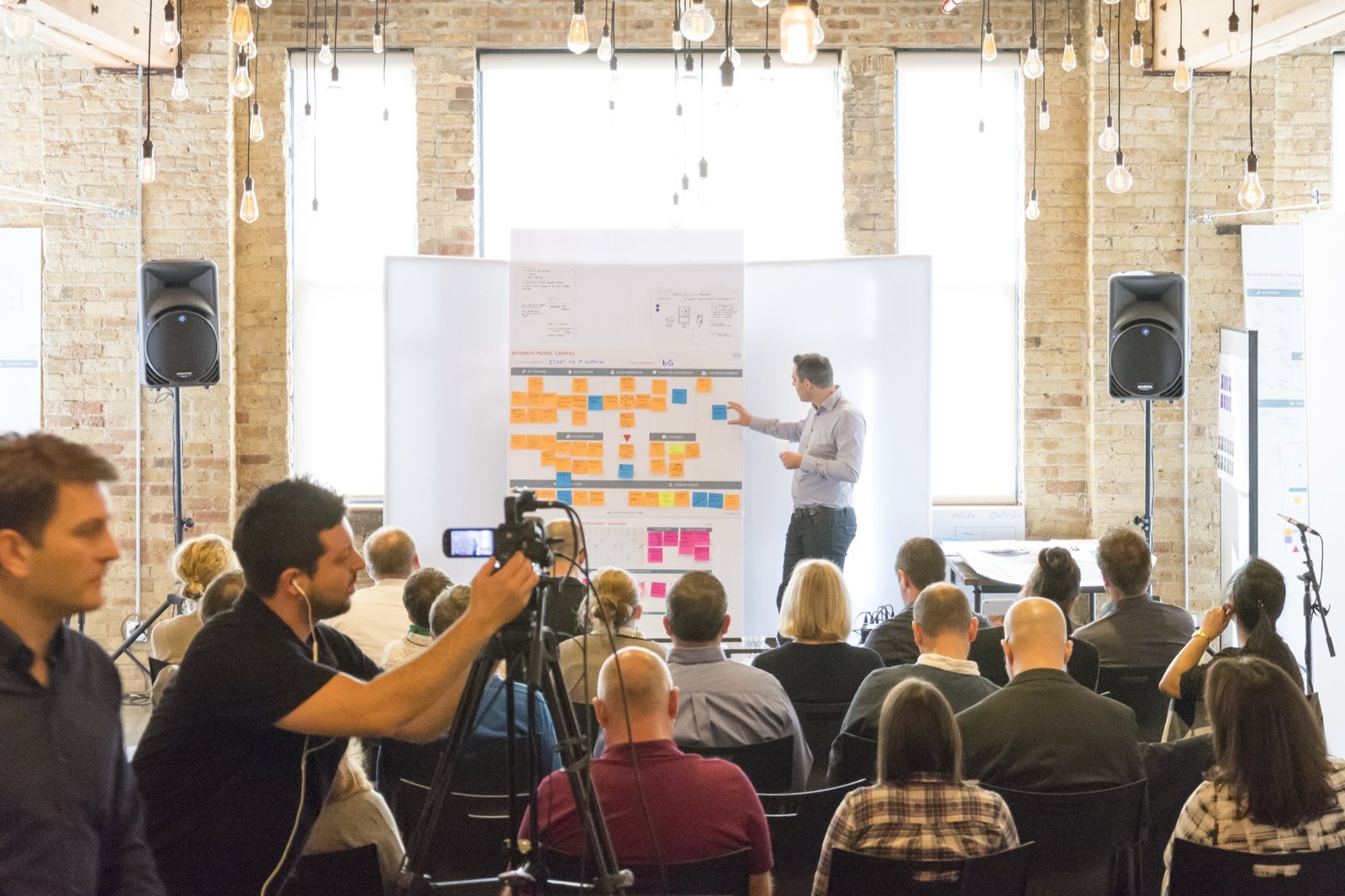
Fortune looked at how Chief Design Officers use tailored learning to build leadership, not just craft. Our take on what it means for design teams today.
In 2021, Fortune's Business by Design newsletter asked a question every design leader recognizes: if the best design is invisible, how do you prove its return? The article looked at how large organizations answer it, not with more design tools, but with learning.
Three ways organizations build design capability
The piece described three broad approaches. Some technology companies build public certificate programs to grow the talent pool for design. Others build internal programs, often with badges, so that designers and non-designers share one toolkit and one language for problem solving. And some bring in outside partners to build tailored, private-label programs for their own design organizations.
Each serves a purpose. The first grows supply. The second builds a common culture. The third is where leadership is built.
From designing things to leading the why
Our partners were part of that story. The article described a leadership program first developed with a design-led toy company more than a decade earlier, and later used to help Chief Design Officers take their teams to the next level inside corporate structures. As Jay Peters put it then, senior designers "are no longer designing things. They need to talk about budgets. They are managing the 'how' and leading the 'why.'"
The article followed that program into a global consumer health company, where the design leader described its value as building the skill of linking design across the silos of an organization. Design school rarely teaches return on investment or how to create value within a business. Tailored programs can. The tipping point, he said, comes when the conversation shifts from whether to invite the designer to the meeting, to the meeting not starting until the designer arrives.
What it means now
Five years later, the question has sharpened. AI can now produce much of the craft output that once defined a designer's value. What it cannot produce is the judgement, influence and business fluency that let design lead. That is why we believe tailored, applied learning, built around a team's real challenges rather than generic content, remains one of the most reliable ways to turn a design function into a strategic capability.
It is also the thinking behind Mastery: masterclasses and programs built around your challenge, with a certificate at every step.
Related reading
The rise of the Chief Design Officer: why design leadership matters more than ever.
An updated reflection on design leadership, the C-suite, AI, and the growing role of design across business and government.
Establishing front-end innovation to drive business and market growth.
Front-end innovation is often seen as chaos. In my experience it is a system you can design, and it is where future growth begins.
Let's find your starting point.
Take the assessment to see where your organization stands, and what to do next.